
The Glaucoma Blueprint: From Diagnosis to Proactive Vision Care
A research-based exploration of optic nerve health, innovative therapies, and emotional resilience.
The Silent Thief of Sight: Navigating Glaucoma with Clarity and Hope
Often whispered about in medical offices as the "silent thief of sight," glaucoma is more than just a diagnosis—it is a manageable journey. In our modern world, where we rely on our vision for everything from navigating digital interfaces to enjoying the faces of our loved ones, understanding this condition is paramount. Glaucoma is not a single disease but a group of eye conditions that damage the optic nerve, the vital cable that carries visual information from your eye to your brain.
As of 2026, glaucoma remains the second leading cause of blindness worldwide. Its relevance has only grown as our global population ages, yet the narrative is changing. With early detection and the arrival of sustained-release technologies, the focus has shifted from "inevitable loss" to "proactive preservation."
The Internal Mechanics: What Happens Inside the Eye?
To understand glaucoma, one must understand the eye's delicate plumbing system. The front of your eye contains a clear fluid called aqueous humor. In a healthy eye, this fluid is produced at a constant rate and drains out through a mesh-like channel (the trabecular meshwork).
When this drainage system becomes inefficient—similar to a slow-moving sink drain—the fluid builds up, causing the intraocular pressure (IOP) to rise. This internal pressure pushes against the optic nerve, which is made of over a million tiny nerve fibers. As these fibers are "squashed" or deprived of blood flow, they begin to die.
Physiologically, the impact is often asymmetrical. One eye may compensate for the other, which is why the brain can "hide" the damage for years. Over time, the loss of these fibers leads to permanent blind spots, typically starting at the outermost edges of your vision.
Recognizing the Signs: From Subtle to Sudden
Glaucoma is notorious for its lack of early warning signs. In its most common form, Primary Open-Angle Glaucoma, there is no pain and no initial blurriness.
Early Indicators: You might find yourself bumping into furniture or failing to notice someone standing just to your side. These are signs of "peripheral vision" loss.
Progressive Signs: As the condition advances, "tunnel vision" may develop, where only the center of the visual field remains clear.
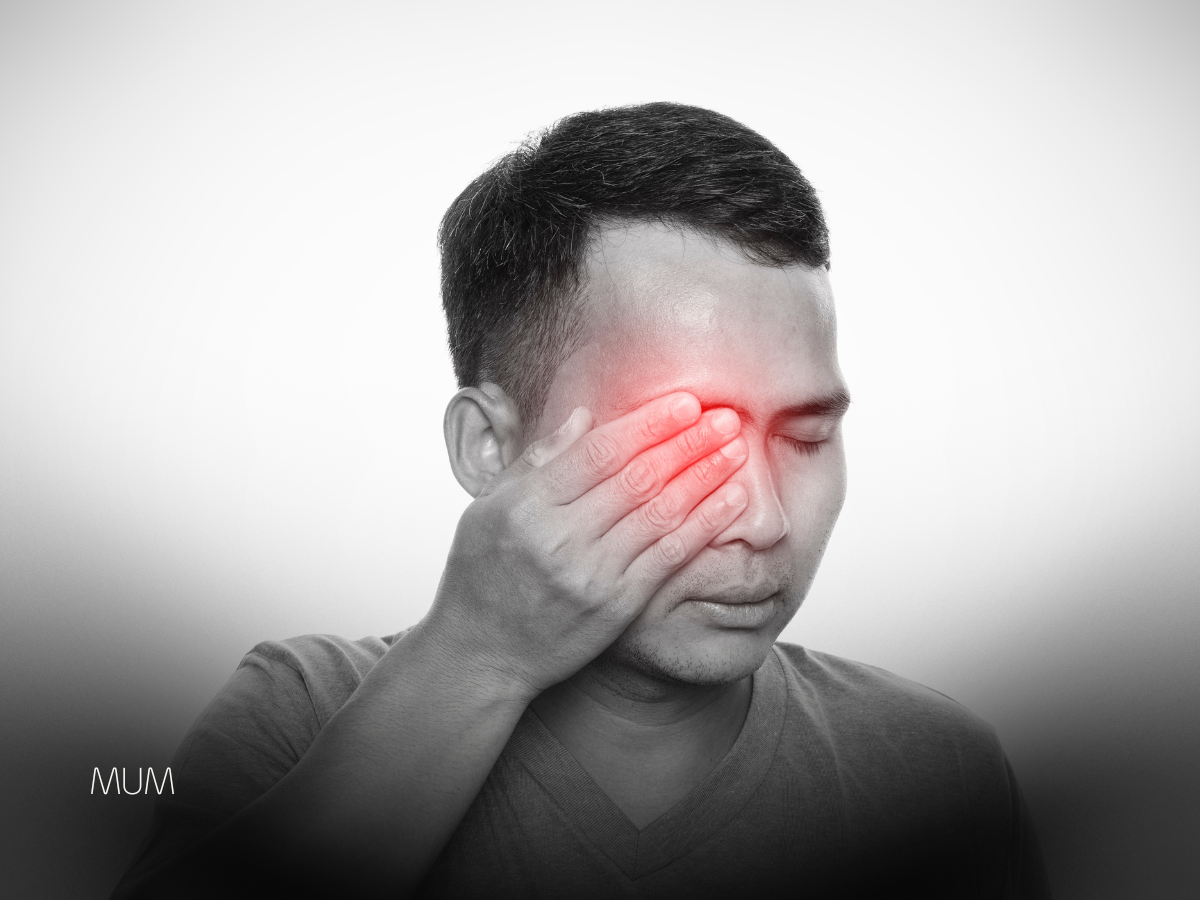
The Emergency Exception: Acute Angle-Closure Glaucoma is different. It occurs when the drainage angle is suddenly blocked. Symptoms are dramatic and require immediate ER care:
Severe eye pain and sudden headache.
Seeing "rainbow halos" around lights.
Sudden blurred vision or redness.



Risk Factors: Who is Most Vulnerable?
While anyone can develop glaucoma, certain biological and environmental factors increase susceptibility:
Age and Heritage: Risk increases significantly after age 40. Individuals of African, Hispanic, or Asian descent have higher statistical risks for specific types of glaucoma.
Family History: If a parent or sibling has it, your risk can be 4 to 9 times higher.
Medical Conditions: Diabetes, high blood pressure, and extreme nearsightedness (myopia) are strongly linked to the condition.
Environmental/Behavioral: Long-term use of steroid medications and previous eye injuries can also trigger secondary glaucoma.
The Path to Diagnosis: More Than a "Puff of Air"
Diagnosing glaucoma is a multi-step investigative process. Because eye pressure fluctuates throughout the day, a single reading isn't enough. Professionals use a suite of tests:
Tonometry: Measuring eye pressure (the familiar "puff" or a gentle probe).
Ophthalmoscopy: Examining the shape and color of the optic nerve.
Perimetry: A visual field test where you click a button when you see lights flash in your periphery.
Pachymetry: Measuring the thickness of the cornea, which can influence pressure readings.
OCT (Optical Coherence Tomography): A high-tech 3D "map" of the optic nerve layers to catch microscopic thinning before vision loss starts.
Modern Treatment: Preserving the Future
While damage to the optic nerve cannot currently be reversed, we have more tools than ever to stop it in its tracks.
Medications: Prescription eye drops are the first line of defense. They either reduce fluid production or improve drainage. In 2026, sustained-release implants (like iDose TR) allow doctors to place a tiny device inside the eye that releases medication for months, removing the "forgetfulness factor" of daily drops.
Laser Therapies: Selective Laser Trabeculoplasty (SLT) is a quick, in-office procedure that uses light energy to "clean out" the drainage meshwork.
Surgical Interventions: For advanced cases, MIGS (Minimally Invasive Glaucoma Surgery) or traditional trabeculectomies create new "overflow" channels for fluid.

Prevention and Mitigation
Technically, glaucoma isn't "preventable" in the way a cold is, but blindness from glaucoma is highly preventable. * The "Check-up Schedule": If you are over 40, get a comprehensive eye exam every 1–2 years.
Protective Habits: Wear safety goggles during high-impact sports or home DIY projects to prevent traumatic glaucoma.
Dietary Support: Research suggests a diet high in leafy greens (nitrates) and antioxidants may support optic nerve resilience.
Mental Wellness: Caring for the Mind
Living with a chronic condition that threatens vision can be anxiety-inducing. "Will I be able to drive in five years?" or "Will I see my grandchildren grow up?" are heavy thoughts.
Psychological Impact: Depression and anxiety are twice as common in those with visual impairment. The "silent" nature of the disease can lead to hyper-vigilance about every "floater" or blur.
Strategies: Mindfulness and stress reduction aren't just for the mind—stress hormones like cortisol can actually spike eye pressure. Joining a support group or speaking with a therapist who specializes in chronic illness can provide the emotional scaffolding needed to stay resilient.
Practical Daily Management: Your Action Plan
Empowerment comes from action. Here is how you can manage glaucoma effectively every week:
Master the "Anchor" Habit: If you use drops, pair them with a daily task like brushing your teeth. Use "Punctal Occlusion"—pressing the corner of your eye near your nose for one minute after the drop—to keep the medicine in the eye and out of your bloodstream.
Optimize Your Lighting: Increase the brightness in hallways and kitchens to help your eyes transition between light and dark more easily.
Stay Active (Wisely): Moderate aerobic exercise (walking, swimming) can lower IOP. However, avoid "head-down" yoga positions (like downward dog) or heavy weightlifting, which can temporarily spike pressure.
Elevate Your Sleep: Using an extra pillow to keep your head slightly elevated (about 20 degrees) can help prevent nighttime pressure spikes.
Living with glaucoma is a marathon, not a sprint. By partnering with your eye care team and embracing these daily habits, you aren't just "managing a condition"—you are actively choosing a future filled with sight and light.
Keep Going!
Check out these related posts