

The Modern Guide to Overcoming Tuberculosis: Science, Support, and Survival
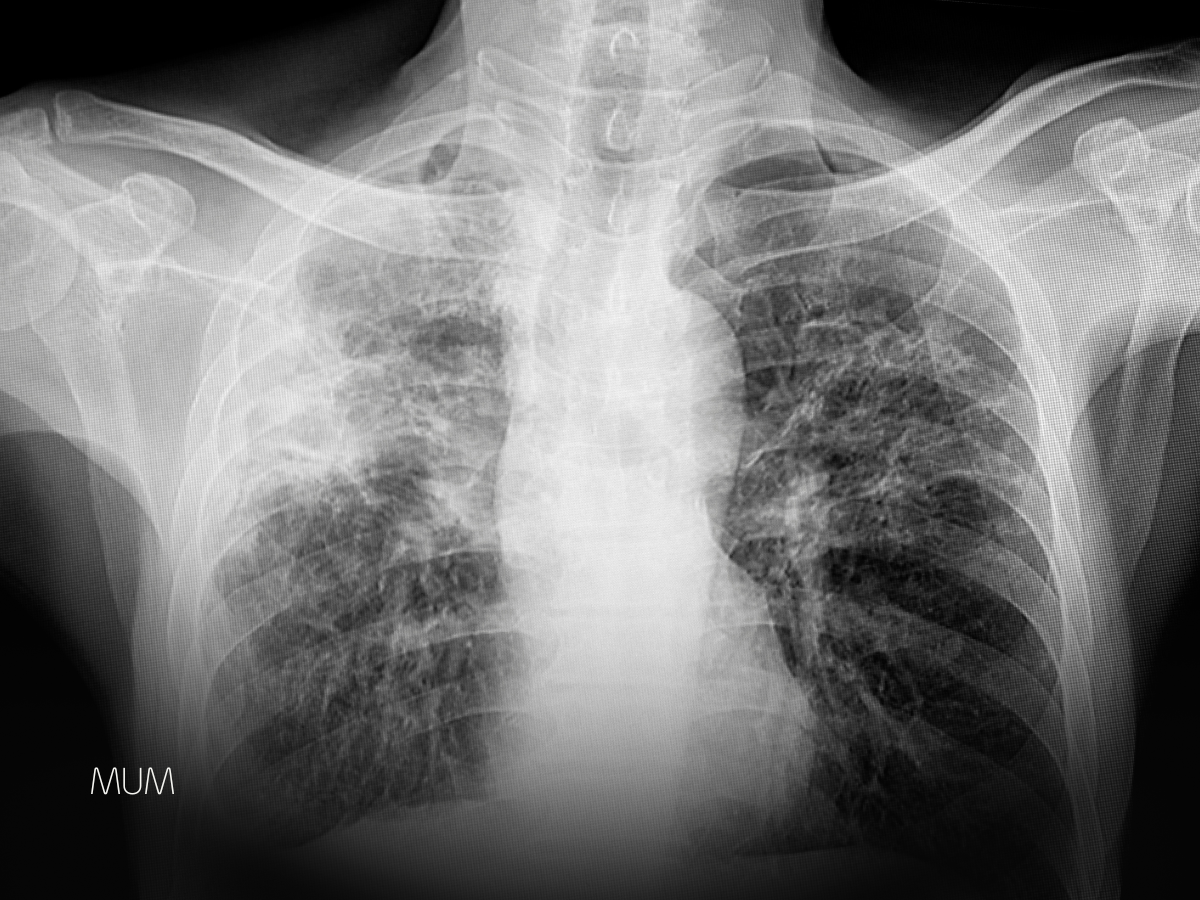
A research-based exploration of the world’s most resilient bacteria—and how we are winning the fight against it.
In the quiet landscape of global health, few diseases carry as much historical weight as Tuberculosis (TB). Once known as "The White Plague" or "Consumption," TB has shaped human history for millennia. Even in 2026, it remains a significant global health challenge, yet the narrative has shifted from one of inevitable decline to one of empowerment and cure.
Tuberculosis is an infectious disease caused by the bacterium Mycobacterium tuberculosis. While it primarily targets the lungs (pulmonary TB), it is a versatile traveler, capable of affecting the kidneys, spine, and even the brain (extrapulmonary TB). In today’s world, TB is both a reminder of our vulnerability and a testament to medical progress: it is a condition that is preventable, treatable, and ultimately curable.
How TB Impacts the Body: The Internal Battle
When Mycobacterium tuberculosis enters the body—usually through microscopic droplets inhaled from the air—it settles in the tiny air sacs of the lungs (alveoli). For many, the story ends there; the immune system successfully "walls off" the bacteria in a protective shell, leading to Latent TB Infection (LTBI). In this state, you feel healthy and cannot spread the disease, though the bacteria remain dormant.
However, if the immune system weakens or the bacteria overcome the initial defense, Active TB Disease begins. The bacteria multiply, causing inflammation and the formation of small, hard nodules called tubercles. As the disease progresses, these nodules can turn into soft, "cheeselike" masses (caseation). If these masses break down, they create cavities in the lung tissue, severely impairing the organ's ability to exchange oxygen. This structural damage is why late-stage TB is often associated with coughing up blood, as the infection erodes nearby blood vessels.
Recognizing the Signs: From Subtle to Severe
TB is often described as "insidious" because its early symptoms are deceptively mild, frequently mimicking a common cold or the flu.
Early Indicators: A persistent cough that lasts more than three weeks, slight fatigue, and a low-grade fever that often peaks in the late afternoon or evening.
Progressive Signs: As the infection takes hold, "night sweats"—fever-induced perspiration so intense it soaks through bedsheets—become common. Unexplained weight loss and a total loss of appetite are also hallmark signs, alongside chest pain when breathing or coughing.
Extrapulmonary Symptoms: If TB moves to the spine, it may cause chronic back pain; in the kidneys, it might lead to blood in the urine; and in the brain (meningitis), it can cause severe headaches and confusion.



Risk Factors and Vulnerabilities
While anyone can contract TB, certain factors increase the likelihood of the bacteria transitioning from latent to active.
Biological: Conditions that weaken the immune system, such as HIV, diabetes, or severe malnutrition, are major risk factors.
Behavioral & Environmental: Smoking and vaping damage lung tissue, making it easier for bacteria to take root. Living or working in crowded, poorly ventilated environments—such as certain healthcare settings or congregate housing—increases the risk of exposure.
Social: Poverty remains a significant driver of TB, as it often limits access to early diagnosis and nutritious food, both of which are critical for a strong immune defense.
The Path to Diagnosis
Modern medicine has replaced slow, traditional methods with rapid, high-tech tools. A healthcare professional typically begins with a physical exam and a review of your medical history.
Screening: The Mantoux Tuberculin Skin Test (TST) or Interferon-Gamma Release Assays (IGRA) (blood tests) determine if you have been infected with the bacteria.
Confirmation: If an infection is suspected, a Chest X-ray is used to look for shadows or cavities in the lungs.
The Gold Standard: Rapid Molecular Tests (like GeneXpert) can now identify TB DNA and check for drug resistance in a matter of hours. Sputum cultures remain a vital tool to confirm the presence of live bacteria.
Treatment and Prevention: Taking Control
The most empowering fact about TB is that it is curable.
Medication: Standard treatment involves a combination of four antibiotics—typically Isoniazid, Rifampicin, Pyrazinamide, and Ethambutol—taken over 4 to 6 months. It is vital to finish the entire course, even if you feel better after a few weeks, to prevent the development of Drug-Resistant TB.
Prevention: The BCG vaccine is often given to children in high-prevalence areas. For adults, prevention focuses on "cough etiquette," ensuring good ventilation in homes, and taking Preventive Treatment if diagnosed with Latent TB to ensure it never becomes active.

Navigating the Emotional Journey
Living with TB is not just a physical challenge; it is a mental one. The need for temporary isolation and the historical stigma attached to the disease can lead to feelings of loneliness, anxiety, or depression.
It is important to remember that illness is not a character flaw. Caring for your mind is as crucial as taking your pills. Seeking out support groups or counseling can help process the "interruption" TB causes in your life. Understand that the isolation phase is brief—usually only a few weeks once treatment starts—and soon, you will be able to rejoin your community with the confidence of a survivor.
Empowering Daily Management: Your Action Plan
To manage TB effectively and regain your strength, focus on these practical daily habits:
The "Pill Ritual": Use a pillbox or a phone alarm to take your medication at the exact same time every day. Consistency is your strongest weapon.
Nutritional Support: Focus on a high-protein, high-calorie diet. Your body is working overtime to repair tissue, so think of food as "fuel for healing."
Rest and Airflow: Ensure your living space has plenty of fresh air and natural sunlight (which can help kill TB bacteria in the air). Prioritize 8–9 hours of sleep.
Open Communication: Keep a symptom diary. If you notice yellowing of the eyes or persistent nausea (potential side effects of medication), contact your doctor immediately.
Patience with the Process: Healing takes time. Celebrate small victories—like gaining a pound of weight or walking further without getting winded.
Keep Going!
Check out these related posts


