
The Science of Silence: Why We Hesitate When Others Need Help

A deep dive into why we look to others before acting, and how being the "first mover" can save a life.
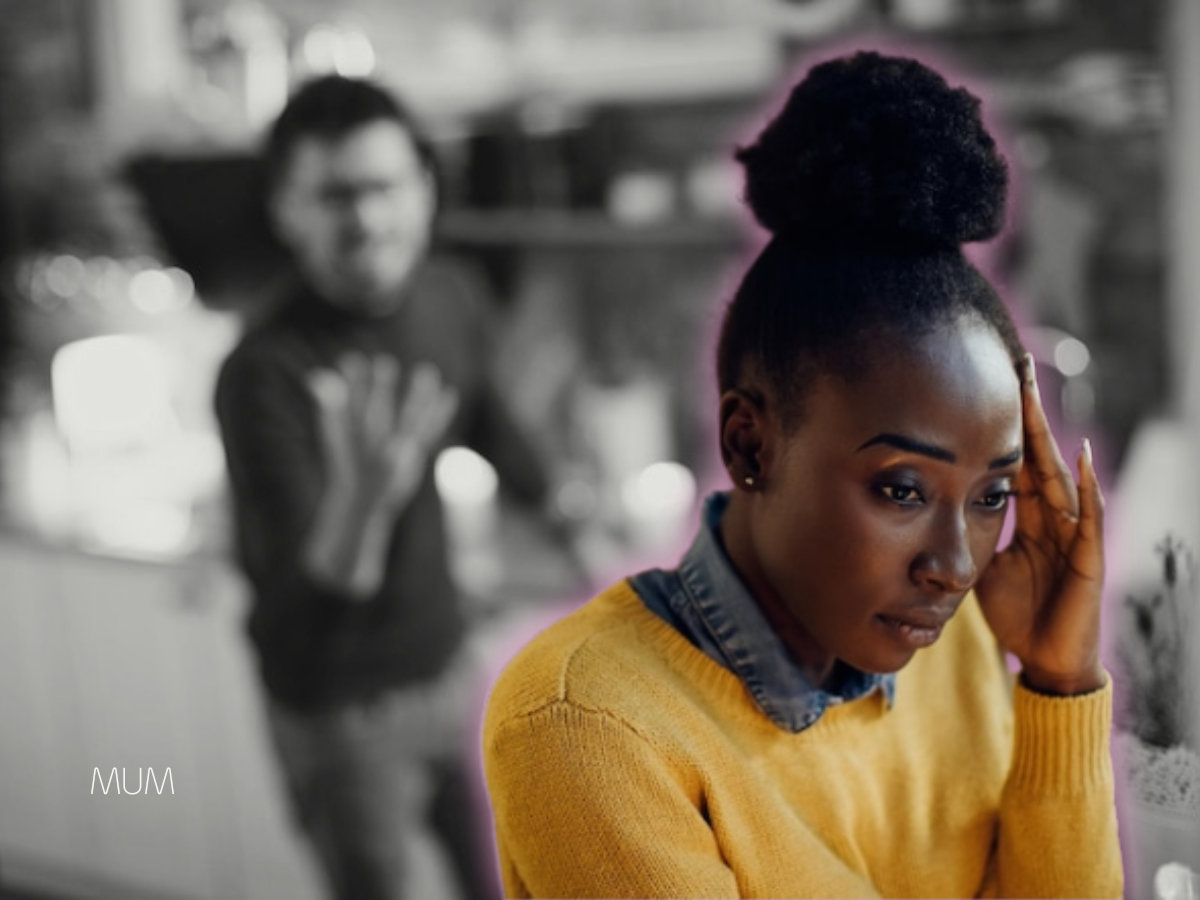
Imagine you are walking through a busy city square when a man suddenly collapses, clutching his chest. You stop, your heart racing, but then you look around. Dozens of other people are walking by. Some glance over, but most keep moving. Since no one else is rushing to help, you might find yourself wondering: Is it actually an emergency? Surely one of these other people is a doctor, or has already called 911?
This hesitation isn't necessarily a sign of a cold heart; it is a classic manifestation of the Bystander Effect. Categorized as a social psychological phenomenon, the bystander effect states that the greater the number of people present during an emergency, the less likely any individual is to help the victim. It is a powerful—and often tragic—demonstration of how our social environment dictates our moral agency. Understanding this effect is crucial because it bridges the gap between our internal values (wanting to be a "good person") and our external actions (actually stepping in).
The Dark Catalyst: Kitty Genovese and the Birth of a Theory
The formal study of the bystander effect began not in a lab, but on a cold street in Queens, New York, in 1964. The brutal murder of Kitty Genovese became the catalyst for one of the most famous lines of inquiry in psychological history. Initial reports by The New York Times claimed that 38 witnesses saw or heard the attack over the course of 30 minutes, yet not a single person called the police or intervened.
While later investigations revealed those reports were somewhat sensationalized (some neighbors did try to help or call out), the cultural impact was profound. The public was horrified by what seemed like urban apathy. However, social psychologists Bibb Latané and John Darley suspected that the lack of intervention wasn't about "bad people," but rather the "social architecture" of the situation.
In their 1968 experiments, they placed participants in rooms—either alone or with others—and staged "emergencies," such as smoke pouring into the room or the sound of someone having a seizure in the next hallway. Their findings were consistent:
When participants were alone, they acted quickly (around 75% of the time).
When they were in groups, the response rate plummeted (down to roughly 31%).
These studies identified two primary psychological drivers: Pluralistic Ignorance (looking to others to see how to react) and Diffusion of Responsibility (the feeling that the "burden" of acting is shared among the crowd, making any single person feel less accountable).


Evolution of the Concept: From Apathy to Nuance
For decades, the bystander effect was taught as a universal law of human "indifference." However, the trajectory of this research has shifted significantly in the 21st century. As psychological science evolved, researchers began to realize that the effect isn't an absolute "off switch" for empathy; it is highly dependent on context.
In the 1980s and 90s, meta-analyses began to show that the effect weakens significantly when the situation is perceived as highly dangerous. If the "cost" of not helping is clearly a matter of life and death, or if the perpetrator is still present, the "social cues" of the crowd matter less, and biological survival instincts take over.
More recently, the rise of CCTV and digital footprints has challenged the original narrative. A landmark 2019 study led by Richard Philpot analyzed real-world surveillance footage of violent conflicts in the UK, South Africa, and the Netherlands. They found that in 90% of cases, at least one bystander (and usually several) intervened to help. This modern pivot suggests that while the bystander effect is a real psychological pressure, humans are more naturally inclined toward intervention than the 1960s "apathy" narrative suggested.
The Bystander Effect in the Modern World
Today, we see the bystander effect playing out far beyond physical emergencies. It has migrated into the digital and professional spheres, often with damaging consequences:
Cyberbullying: On social media platforms, hundreds may see a harassing comment, but the "diffusion of responsibility" makes individuals less likely to report it or defend the victim, assuming someone else—or the "algorithm"—will handle it.
Corporate Culture: In business, the effect can manifest as "Groupthink" or silence during unethical behavior. If a team of twenty people witnesses a manager acting inappropriately, an individual may stay silent, assuming that if it were truly a problem, someone more senior would have spoken up.
Medical Settings: Even in hospitals, researchers have noted that during "code blue" emergencies, if a clear leader isn't established, "diffusion of responsibility" can lead to delays in critical tasks because everyone assumes someone else has already checked the vitals or grabbed the equipment.
The ethical stakes are high. When we succumb to pluralistic ignorance, we allow harm to persist. However, understanding this mechanism has led to "Bystander Intervention Training" now commonly used on college campuses and in workplaces to prevent sexual assault and harassment.
Breaking the Spell: How to Act When Others Don't
Recognizing the bystander effect is the first step toward neutralizing it. The goal is to move from a state of passive observation to intentional agency. Here is how you can apply this knowledge to your daily life:
If You Are the Victim: Do not yell "Help!" into a crowd. This is too vague. Instead, de-diffuse responsibility. Point at a specific person and say, "You in the red shirt, call 911!" By singling someone out, you collapse the "shared" responsibility and place it squarely on one individual, who is then highly likely to act.
If You Are a Witness: Be the "First Mover." The bystander effect is a chain that only requires one person to break it. Once one person steps forward, the "pluralistic ignorance" vanishes, and others will often rush in to help.
Check Your Internal Dialogue: If you find yourself thinking, "I'm sure someone else has this under control," treat that thought as a red flag. Assume that no one else is going to act.
By understanding the "silence of the crowd," you gain the power to speak up. It allows you to look past the stillness of those around you and respond to the human need in front of you. In a world that often encourages us to blend in, choosing to be the one who steps forward is perhaps the most profound way to reclaim your humanity.
Keep Going!
Check out these related posts