

Beyond "Father" and "Your Holiness": The Hidden Power of Sacred Titles
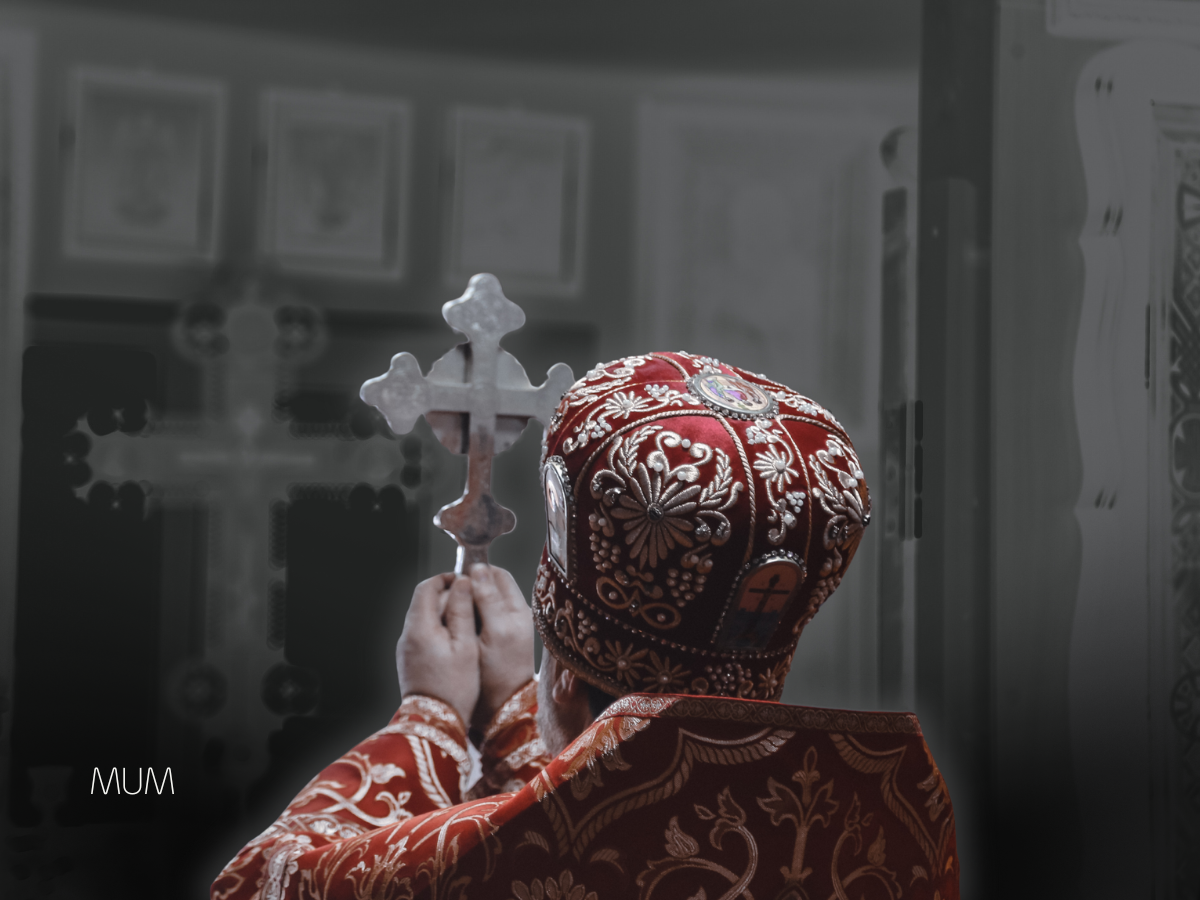
Mastering the "Honorific Abstract": The history and modern application of sacred address.
Language is rarely just a medium for information; it is a map of social architecture. Among the most potent tools in this architecture is Reverential Address—the use of specific, high-honorific titles like "Father," "Reverend," "Excellency," or "Your Holiness" to greet or refer to an individual.
In plain language, reverential address is the practice of replacing a person’s name with a title that signifies sacred status, moral authority, or spiritual lineage. Its primary rhetorical function is to create intentional distance. By using these terms, the speaker shifts the interaction from a horizontal plane (peer-to-peer) to a vertical one (devotee-to-authority). Psychologically, it triggers a "frame of deference," priming the listener to receive the speaker’s words with greater weight, sanctity, or obedience.
The Genesis of the Sacred Title
The roots of reverential address are as old as organized religion itself, emerging from the human impulse to distinguish the "profane" (the everyday) from the "sacred." In ancient civilizations—from the Egyptian Pharaohs to the Vedic priests of India—language was the first line of defense for the divine right of rule.
However, the specific honorifics common in Western discourse, such as "Father" or "Your Holiness," found their footing in the late Roman Empire and the early Christian era. The term "Father" (Abba in Aramaic, Pater in Latin) was originally a term of biological intimacy. Its transition into a linguistic technique for clergy in the 3rd and 4th centuries was a masterstroke of psychological branding. By adopting the title of "Father," early church leaders like St. Benedict or the Desert Fathers successfully blended the authority of a legal patriarch with the perceived care of a parent.
This era saw the birth of the "Honorific Abstract," where a person is addressed not as an individual, but as an embodiment of a virtue. Addressing a bishop as "Your Grace" or the Pope as "Your Holiness" suggests that the person has been subsumed by the office. Historically, this served to protect the institution; if the man was flawed, the "Holiness" of the seat remained intact.


The Evolution of Deference
As the Middle Ages gave way to the Renaissance and the Enlightenment, reverential address didn’t disappear; it diversified. The technique moved from the monastery to the court.
The Political Pivot: Kings and Queens adopted "Your Majesty," borrowing the linguistic gravity of the church to solidify the "Divine Right of Kings."
The Reformation Shift: During the Protestant Reformation, the use of "Father" was often rejected in favor of "Pastor" (Shepherd) or "Reverend" (one to be revered). This was a subtle but significant shift in tone—moving from a familial hierarchy to a functional, professional one.
Colonial Export: Through colonial expansion, these European honorifics were superimposed onto diverse cultures, often clashing with or absorbing indigenous titles. This created a globalized "grammar of respect" that remains the standard in international diplomacy and religious hierarchies today.
The staying power of these terms lies in their ability to automate respect. They function as a "verbal uniform," signaling to the brain exactly how much skepticism to suspend before a conversation even begins.
Modern Application and the Power of the Frame
In our contemporary landscape, reverential address remains a dominant force in media, law, and public discourse. When a news anchor introduces a guest as "His Eminence," they are not just providing a name; they are framing the upcoming testimony as "truth from on high."
The Persuasive Power
In interpersonal communication, using a reverential title can be an act of profound validation. For many communities, addressing a leader as "Elder" or "Pastor" is an act of resistance against a world that might otherwise devalue their communal structures. It builds internal cohesion and grants the leader the "rhetorical capital" needed to inspire sacrifice or social change.
The Shadow Side: Manipulation and Control
However, the technique is not without controversy. In the context of "high-control groups" or cults, reverential address is used to dehumanize the leader in the eyes of the follower. When a leader is only ever called "Father" or "The Master," the follower loses the linguistic ability to see them as a fallible human being. This makes it significantly harder to voice dissent or recognize abuse.
In the modern secular world, we see "secularized" versions of this in corporate environments—the reverential way people might speak of a "Founder" or a "Visionary." While the religious title is gone, the psychological function—creating a protected class of person whose ideas are beyond reproach—remains identical.

Mastering the Language of Respect
To navigate a world filled with "Holiness" and "Reverends," one must understand that these titles are linguistic contracts. When you use them, you are agreeing to a specific set of rules for the interaction.
If you are the speaker:
Use reverential address thoughtfully. It is a powerful tool for building rapport and showing genuine cultural or spiritual literacy. However, be wary of using it to abdicate your own critical thinking. You can address someone as "Your Honor" or "Father" out of respect for their role or the traditions of others without surrendering your intellectual agency.
If you are the listener:
When you hear someone being addressed with high honorifics, perform a mental "translation." Strip away the title for a moment and listen to the substance of the words. Ask yourself: If this person were being introduced by their first name, would their argument still hold weight? By recognizing reverential address as a deliberate technique rather than a natural fact, you gain the ability to step outside the "frame of deference." You can honor the tradition and the person while maintaining the integrity of your own perspective.
Language should be a bridge, not a barrier. Whether you are using a title to show love or encountering one in the wild, remember that the most "reverent" thing we can do is to engage with one another with honesty, clarity, and an open mind.
Keep Going!
Check out these related posts